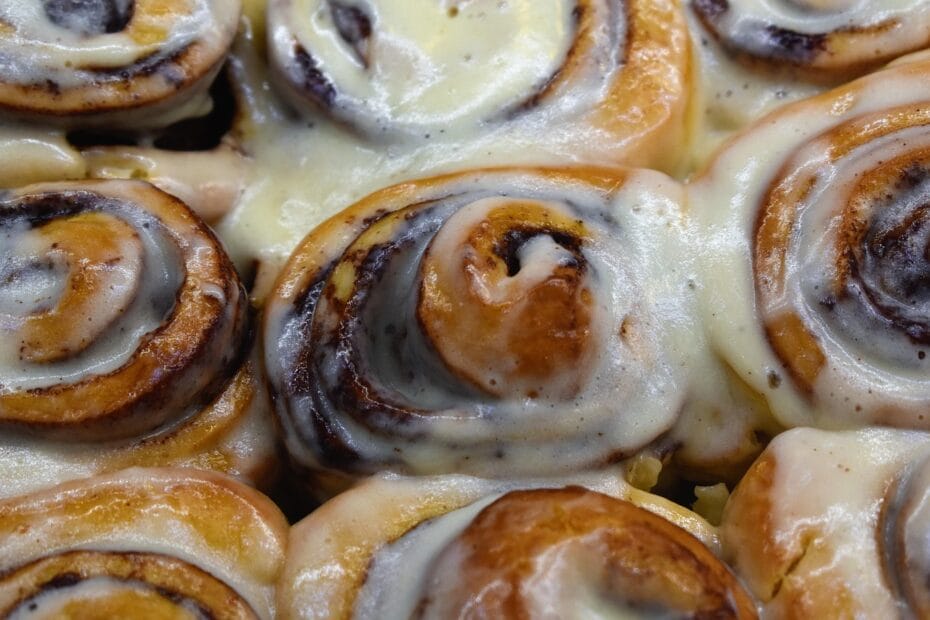
Cinnamon rolls are sweet, gooey, and iconic. Cinnamon rolls are a staple of Northern European and North American bakeries. There are several other varieties regionally classified from Sweden (Kanelbulle), Finland (Korvapuusti), Mexico ( Concha de canela) Germany (Zimtschneke), Pjilipines (Emsaynada) and a host of others; Others also alter and twist flavors by adding ginger, nutmeg or cloves to their taste like the pumpkin cinnamon rolls; regardless of the variations, the key to a fluffy cinnamon roll is a rich yeast-leavened dough.
The flour used in making the dough for cinnamon rolls could be bread flour as they give room to achieve a pillowy, bouncy texture or all purpose flour for something squishier. Cinnamon rolls dough are usually high-fat doughs containing whole milk, eggs, and butter which produce the softest and long lasting rolls.
Cinnamon rolls just like bread rolls fillings are usually a simple blend or mixture of brown sugar, ground cinnamon and softened butter. However, some chefs or bakers use some variations including pecans, raisins, or even a hint of nutmeg.

For the frosting which is the final touch, the American standard is a thick cream cheese frosting, while the European versions often use a simple sugar syrup, hot caramel glaze or sugar glaze or even pearl sugar.

Ingredients
For the dough
- 4 1/2 cups all-purpose flour or bread flour
- 21/4 tsp instant yeast
- 1/3 cup sugar
- 1 1/2 cup milk
- 1tsp salt
- 6 tbsp unsalted butter
- 1 egg (room temperature)
For the filling

- 2/3 cup light brown sugar
- 1 tbsp ground cinnamon
- pinch of salt
- 1/4 cup butter (room temperature)
For the cream cheese frosting

- 1/2 cup unsalted butter (room temperature)
- 3 cups powdered sugar
- 3 tbsp milk
- 1 tsp vanilla extract
- 4 ounces cream cheese (room temperature)
- A pinch of salt
Procedure
To make this super fluffy cinnamon rolls, follow the simple outlined steps to the bit.
We are going to start by making our dough. We will go ahead to add our 2 cups flour from our already measured out 4 1/2 cups flour, add measured out granulated sugar and yeast into a mixing bowl over a stand mixer and mix on low speed until well combined. You can choose to just use a hand whisk for this process instead.

Next, we will add our measured out milk and butter into a bowl that is heat resistant and microwave safe, place it in the microwave and heat it up for about 45 seconds until the mixture is warm (not hot) and the butter is almost melted. If we heat it up and it becomes too hot, it will kill the yeast for our dough and disrupt the proofing process.

Now we will go ahead and pour the milk mixture into the flour and yeast mixture from our first mixing bowl, add in our egg and beat or mix under low to high speed for about 2-3 minutes until the mixture is well combined. Note that we will start on low speed and gradually increase the speed in the span of 2-3 minutes. The aim is to get high gluten or rather create more gluten and that is why it is not a problem when our dough looks like a batter afterwards.

After mixing the milk and butter mixture with the flour, now we will change the hook from a the whisk attachment to a dough hook attachment and then add in our 1 1/2 cups flour. We will knead this on low speed completely for some time until it is well combined and using a spatula or anything convenient to scrape down the side of the mixing bowl so that everything will be well incorporated.

Next, we will add our reaming 1 cup flour into the dough and also knead on low speed and occasionally scraping the side as well for the doughs that have stick to the bowl. We will continue this process until the dough on the sides start to pull way from the mixing bowl by themselves and the dough forms a ball like shape around the dough hook.

Now , we can increase the speed of our mixer to medium speed. We will continue on that speed until the dough is smooth and that should take about 12 minutes or less. Note that the dough may become wrapped around the dough hook completely but don’t panic. Just simply stop kneadind, pull the dough off the hook back to the mixing bowl and continue kneading on the same speed. Do that until the dough becomes stretchy that you can like see light through it. You can test that using the windowpane test. Simply scoop a part of the dough, stretch it out and see if it becomes translucent and very stretchy without breaking or if you can see light through it if you are using direct sunlight for the test or any form of light. At this point, we are certain that the dough has formed enough gluten. If your dough still breaks or fails the windowpane test, simply keep kneading it.

Next, we will transfer our dough into a bowl that is lightly oiled, cover it with a towel, plastic wrap or some sort of bowl cover; place it in a warm place and allow it to rise until it doubles in size. This should take around an hour or one and half hours.

While the dough is set aside, we make our filling. In a small bowl, we will add the brown sugar, ground cinnamon and salt and combine the until well incorporated.

Now our dough has risen and we will be transferring it onto a a well floured work surface.

We will then use a rolling pin to roll it out into a 12 inch long and 18 inch wide rectangular shape making sure that the wider side with the 18 inch is the one directly facing you or close to you.
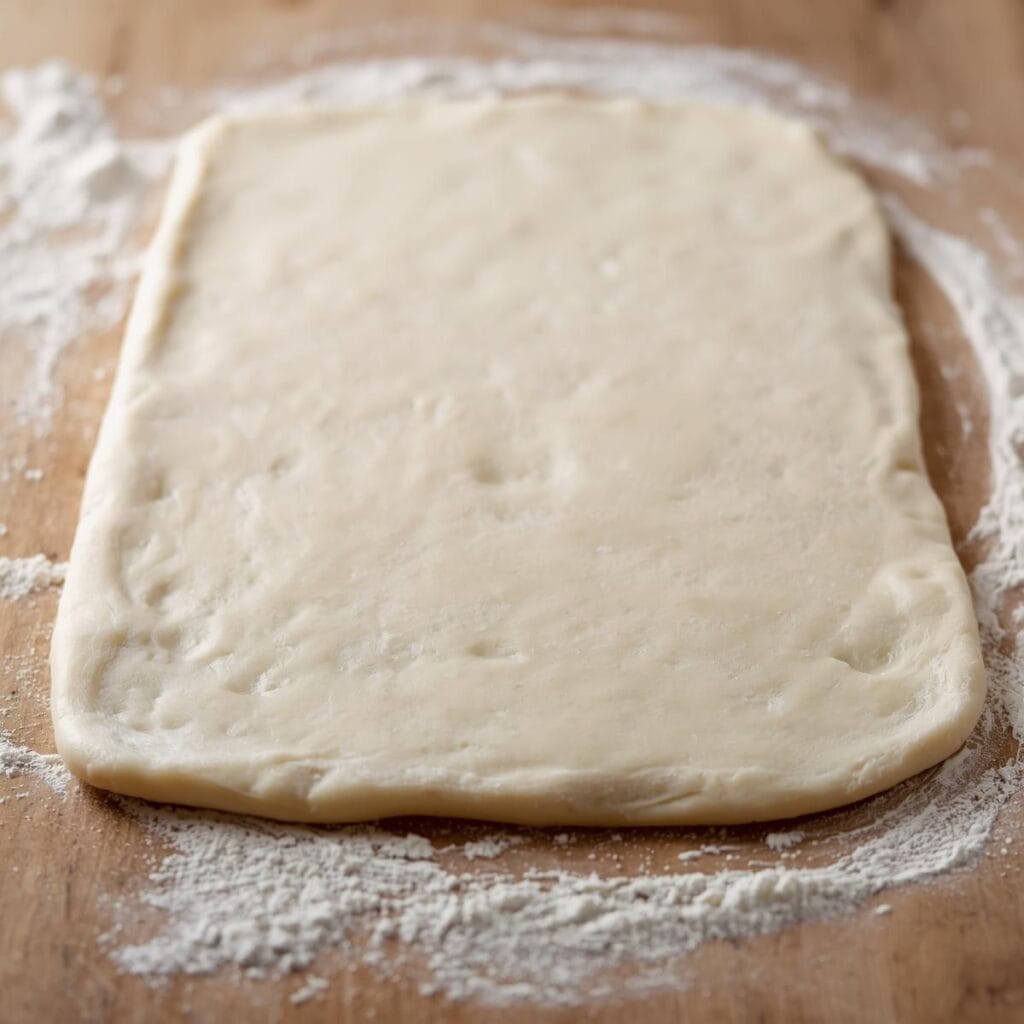
Next, spread the butter al over the rolled out dough using a spatula, your hands or anything suitable for that provided it is clean.

Sprinkle the cinnamon, brown sugar and salt mixture on the rolled out dough making sure you spread it all over the dough.
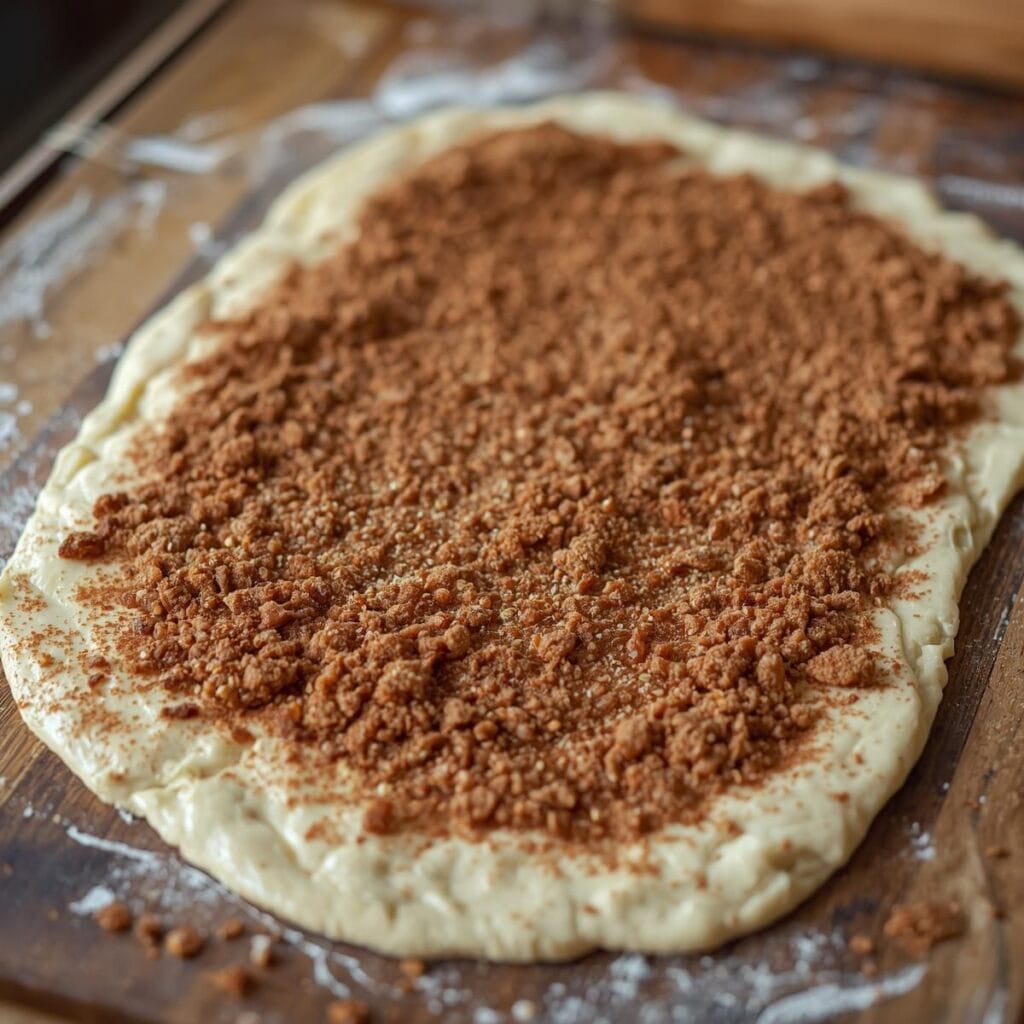
Roll the dough into a log shape starting from the widest side that is closest to you; in doing so, make sure that you seal the edges together and then cut the dough using a floss or a very sharp knife that will give a clean cut without making a mess.

Transfer the rolls onto a parchment paper lined pan , cover them with a plastic wrap or a clean dish towel and allow it to rise and double in size. This should take around an hour. Set a timer to make it easier.

Preheat your oven to 350 degrees Fahrenheit 10 minutes before your timer goes off. Unwrap your rolls and slide them into the oven and bake for around 30-40 minutes until they are golden brown.

Allow them to cool for a while on a cooling rack , say for about 15-20 minutes. Do not allow them to cool off completely before covering them with the cream cheese mixture. During that prcess, we will go ahead to make our cream cheese frosting. We will add butter, cream cheese, milk, vanilla and a little salt to the mixing bowl and mix; starting from low speed to medium-high until our mixture is creamy, light and fluff, this should take around 1-2 minutes.

Now, spread the cream cheese frosting on the cinnamon rolls carefully until they are all creamed up.

Enjoy!